What is a Pellet 3D Printer?
Understanding Pellet-Based 3D Printing
A pellet 3D printer is an additive manufacturing system that builds parts using thermoplastic granules instead of filament. Designed for industrial applications, these machines deliver high material throughput, support larger build sizes, and significantly reduce material costs compared to traditional filament-based printers.
How Pellet Printing Works
Pellet 3D printing, known as FGF (Fused Granulate Fabrication), uses raw plastic granules as the primary input material. These are the same thermoplastics used in injection moulding and extrusion processes.
Instead of relying on pre-processed filament spools, the system feeds pellets directly into a heated extruder. The material is melted and deposited layer by layer to form the final part.
By eliminating the need for filament conversion, this approach simplifies the material chain while unlocking advantages in cost efficiency, scalability, speed, and material flexibility.
What This Enables:

Direct use of raw thermoplastic pellets without filament conversion
Access to industrial-grade materials in their original form
Ability to print using recycled, blended, and fibre-reinforced polymers
Large-format printing at a significantly lower cost per kilogram
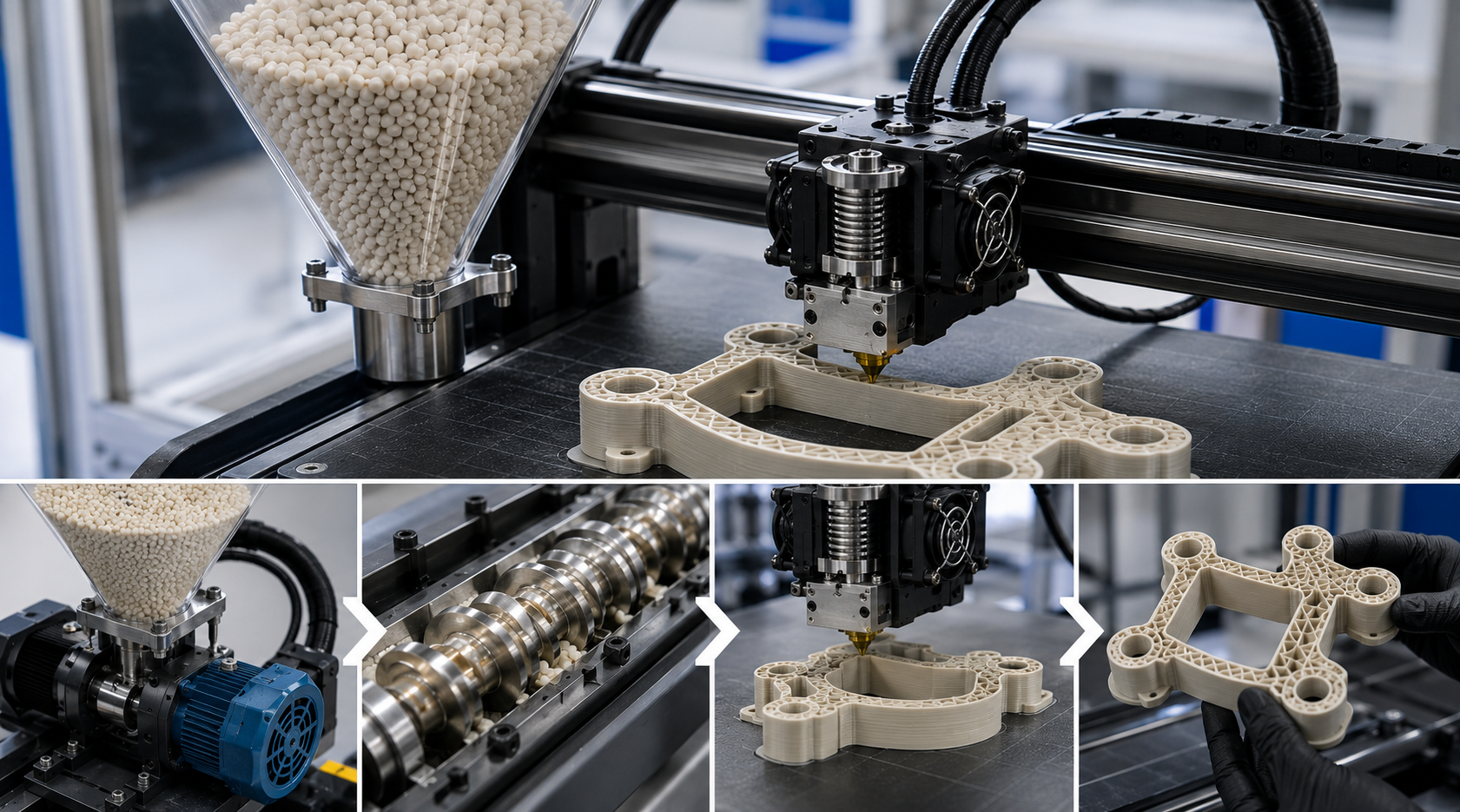
Step-by-Step: Pellet Printing in Action
The Printing Process
Pellet 3D printing operates using a screw-driven extrusion system, the same principle used in industrial injection moulding machines, ensuring consistent melting and controlled material flow.
Pellet Feeding
Plastic granules are loaded into a hopper, from where they are continuously supplied into the extrusion barrel.
Melting & Compression
A rotating screw compresses and melts the pellets uniformly, reaching temperatures of up to 300°C for stable extrusion.
Controlled Deposition
The nozzle follows programmed toolpaths, depositing molten material layer by layer to build the geometry.
Final Part Formation
Once printing is complete, the part is cooled, removed, and finished based on application requirements.
FGF vs FDM: A Practical Comparison
A side-by-side comparison to help you select the right technology for your application needs.
| Factor | Pellet 3D Printing (FGF) | Filament 3D Printing (FDM) |
| Feedstock | Raw plastic granules | Pre-processed filament spool |
| Material Cost | ₹80–₹250 per kg | ₹700–₹3,000 per kg |
| Print Speed | High-throughput screw extrusion | Standard nozzle flow rate |
| Part Size | Up to 1m³ and beyond | Typically under 300mm |
| Material Variety | Engineering, recycled, blended, filled | Limited to available spool types |
| Recycled Material | Yes — directly printable | Limited / needs re-spooling |
| Best For | Industrial production, large parts, tooling | Desktop prototyping, detail work |
The Real Advantages of Pellet-Based Production
Lower Material Costs at Scale
Pellet printing uses raw thermoplastic granules, eliminating the additional processing steps required for filament. This results in material cost savings of up to 60–90%, especially in high-volume applications.
Direct Use of Recycled Materials
Recycled plastics are readily available in pellet form and can be used as-is, without conversion. This enables a more sustainable production process while reducing material waste and cost.
Built for Large-Format Output
With a screw-based extrusion system delivering high material throughput, large components that typically take days can be completed within hours — even at sizes approaching or exceeding 1 cubic metre.
Compatible with a Wide Range of Materials
From flexible polymers like TPU to reinforced materials such as PP-CF and high-temperature ABS, pellet printers support a broad spectrum of engineering-grade thermoplastics, including customised blends.
Seamless Transition to Industrial Production
Using the same material format as injection moulding, pellet printing simplifies the shift from prototyping to production. This alignment ensures consistency in material properties and manufacturing workflows.
Uninterrupted Printing for Large Builds
Pellet systems use hopper-based feeding, allowing continuous material supply. Unlike spool-based systems, material can be added during printing, ensuring long-duration jobs run without interruption.
Applications of Pellet 3D Printing
Pellet 3D printing is widely adopted across industries that require large, strong, and cost-efficient parts — particularly where conventional desktop printing falls short.
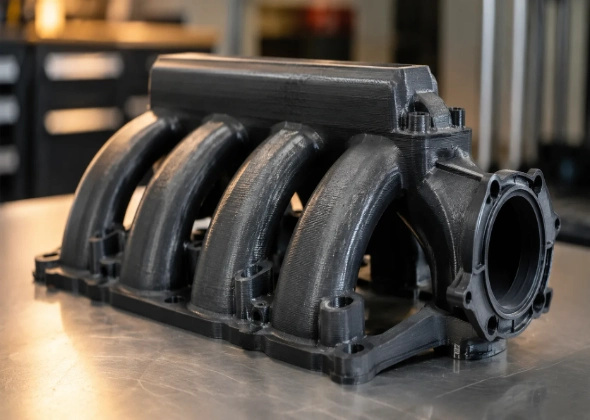
Automotive
Bumpers, dashboards, jigs, fixtures, wind tunnel models
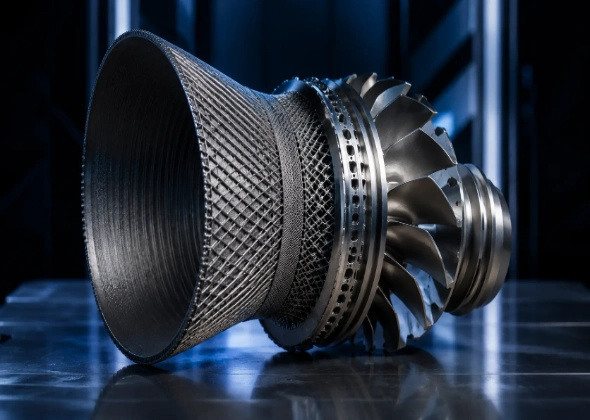
Aerospace
Layup tools, structural housings, ground support equipment
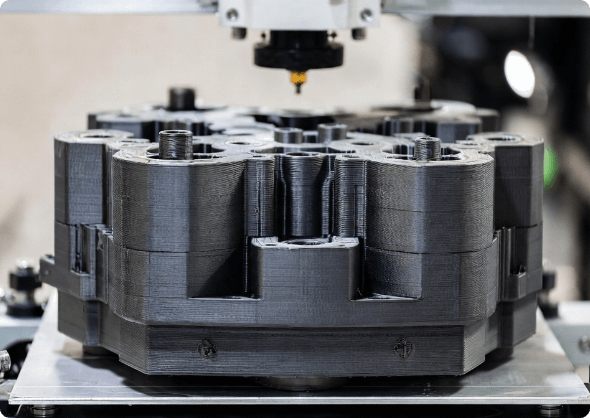
Casting & Foundry
Full-scale patterns, core boxes, investment moulds
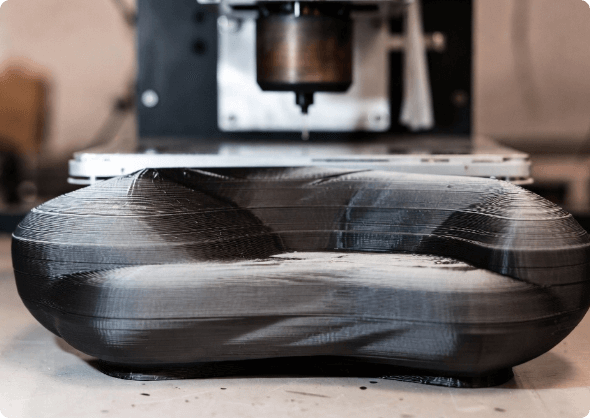
Architecture & Furniture
Large-scale functional and sculptural structures
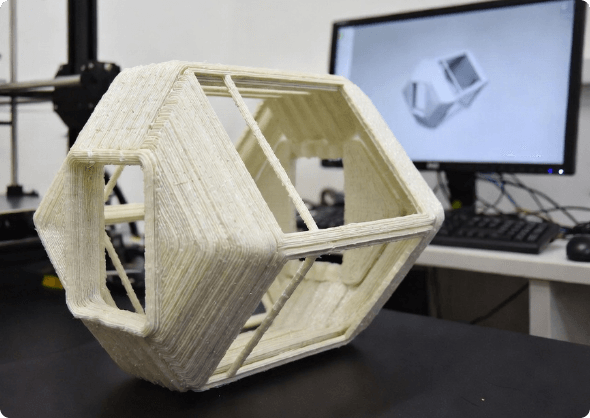
R&D & Education
Rapid prototyping, material testing, student projects
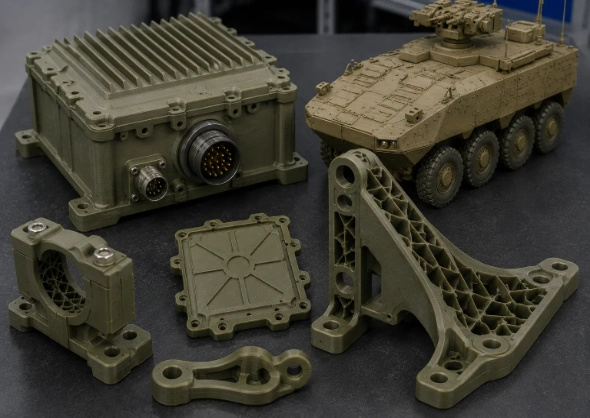
Defence
Enclosures, brackets, and operational mockups
Materials Supported in Pellet Printing
GigaaForm printers are compatible with a wide range of thermoplastics in pellet form — from flexible materials to high-strength reinforced composites — enabling versatility across industries.
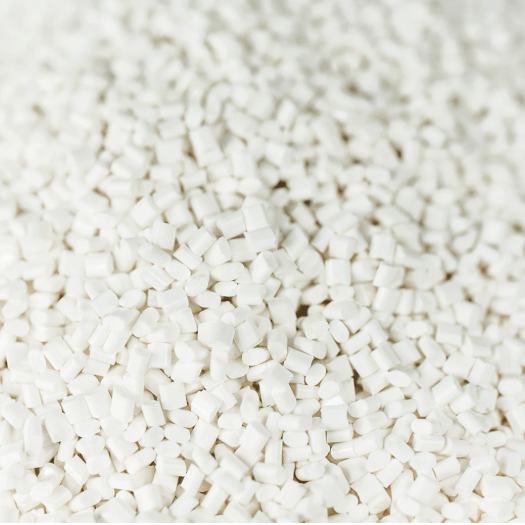
PLA
A biodegradable thermoplastic that is easy to process and widely used for prototyping, educational models, and low-load applications. Biodegradable • Easy to Process
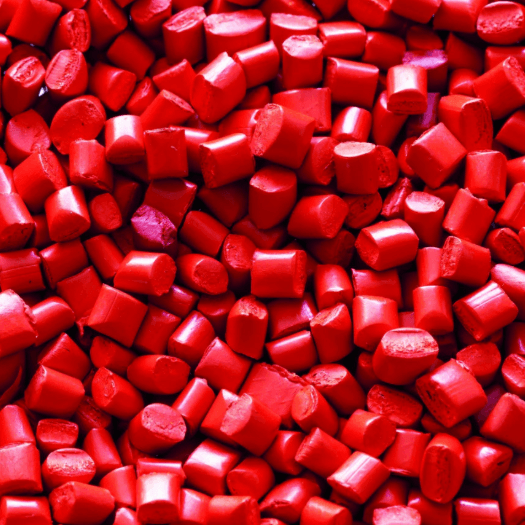
ABS
A robust and heat-resistant material commonly used in automotive components and consumer products requiring durability.
Heat Resistant • Tough & Durable

TPU
A flexible, elastic material suitable for applications like seals, grips, and parts requiring impact resistance and flexibility.
Flexible • Wear Resistant
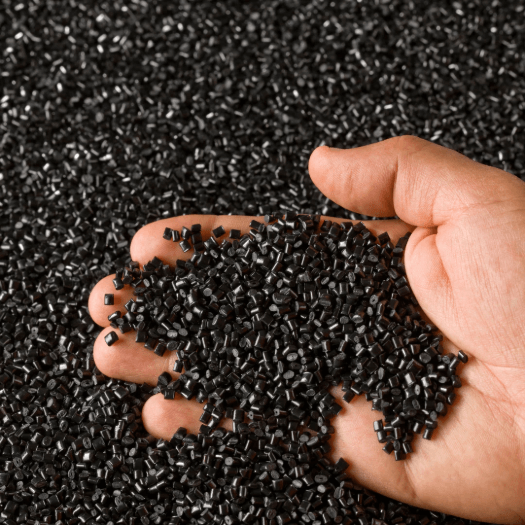
PP-CF
A lightweight yet strong material offering excellent stiffness, making it ideal for structural and load-bearing components.
High Strength • Lightweight
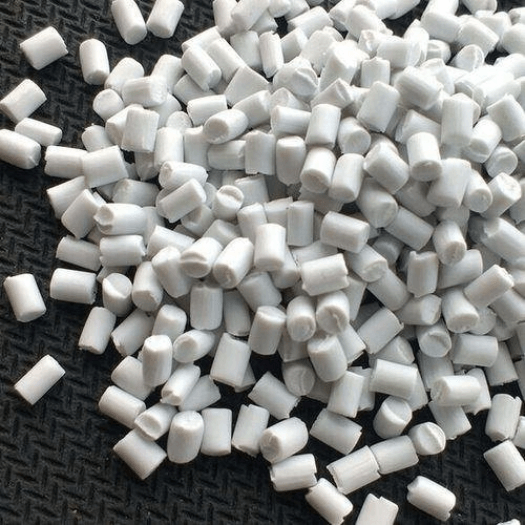
HIPS
Known for its impact resistance, HIPS is widely used for casting patterns and as a support material in complex builds.
Impact Resistant • Casting Friendly
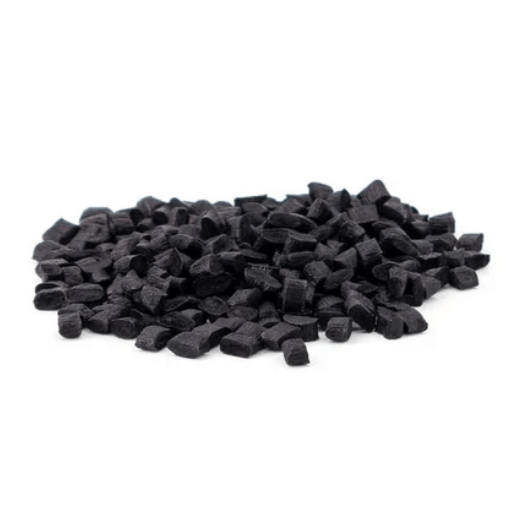
PLA-CF
Enhances the ease of PLA printing with added rigidity and strength from carbon fibre reinforcement.
Rigid • Lightweight Strength
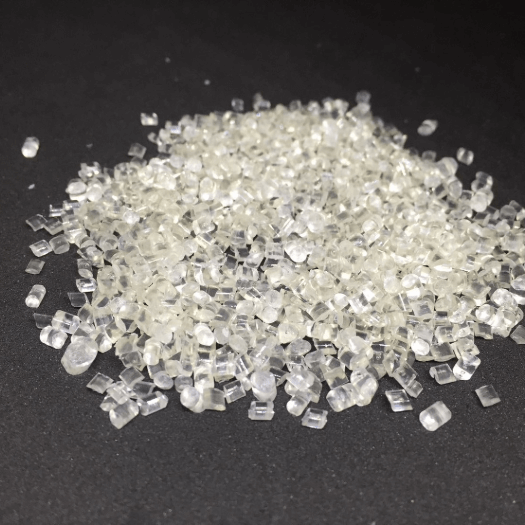
GPPS
Delivers smooth surface finishes and high dimensional stability, making it suitable for display models and tooling.
Smooth Finish • Stable Geometry
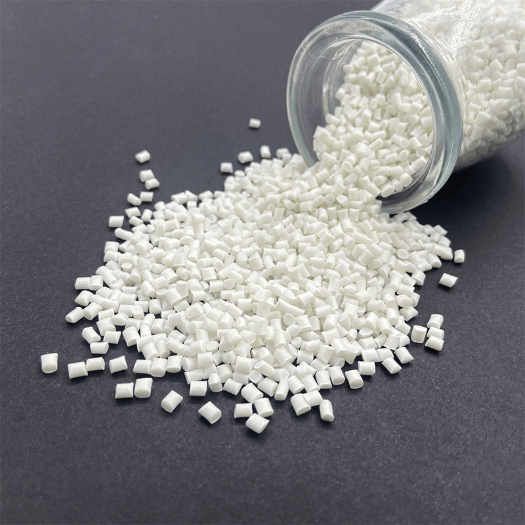
Recycled Thermoplastics
Pellet printers can directly use recycled plastic from post-consumer or industrial waste streams without any additional processing.
Sustainable • Cost Efficient
PP-GF
Engineered for enhanced mechanical performance, offering improved strength, stiffness, and heat resistance for demanding applications.
Reinforced • Heat Resistant
ABS
Acrylonitrile Butadiene Styrene
A robust and heat-resistant material commonly used in automotive components and consumer products requiring durability.
Heat Resistant Tough & Durable
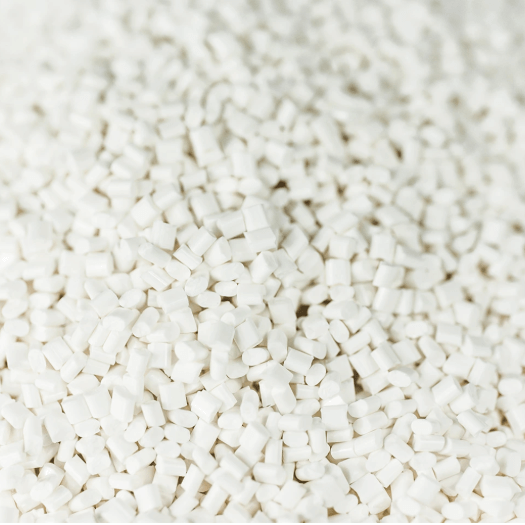
PLA
A biodegradable thermoplastic that is easy to process and widely used for prototyping, educational models, and low-load applications.
Biodegradable Easy to Process
TPU
Thermoplastic Polyurethane
A flexible, elastic material suitable for applications like seals, grips, and parts requiring impact resistance and flexibility.
Flexible Wear Resistant
PP-CF
A lightweight yet strong material offering excellent stiffness, making it ideal for structural and load-bearing components.
High Strength Lightweight
HIPS
Known for its impact resistance, HIPS is widely used for casting patterns and as a support material in complex builds..
Impact Resistant Casting Friendly
PLA-CF
Enhances the ease of PLA printing with added rigidity and strength from carbon fibre reinforcement.
Rigid Lightweight Strength
GPPS
Delivers smooth surface finishes and high dimensional stability, making it suitable for display models and tooling.
Smooth Finish Stable Geometry
Recycled Thermoplastics
Pellet printers can directly use recycled plastic from post-consumer or industrial waste streams without any additional processing.
Sustainable Cost Efficient
PPGF
Glass Fibre Reinforced Polypropylene
Engineered for enhanced mechanical performance, offering improved strength, stiffness, and heat resistance for demanding applications.
Reinforced Heat Resistant
Explore GigaaForm Machines
GigaaForm develops commercial pellet 3D printers designed for real-world industrial environments — combining performance, reliability, and scalability.
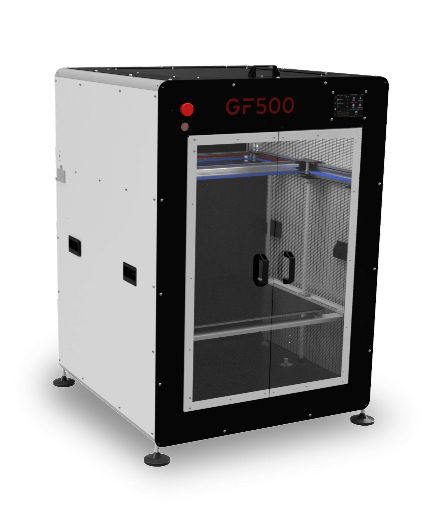
GF500 — Mid-Scale Production
500 × 500 × 500 mm build volume
Suitable for prototyping, tooling, and medium-scale parts
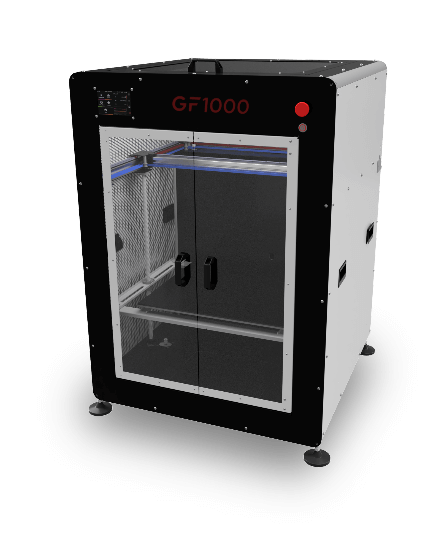
GF1000 — Industrial-Scale Production
1000 × 1000 × 1000 mm build volume
Designed for large-format production and full-scale components
Frequently Asked Questions
What is the maximum part size achievable with pellet printers?
Pellet 3D printers are built for large-format applications. GigaaForm’s GF500 supports builds up to 500 × 500 × 500 mm, while the GF1000 extends this to 1000 × 1000 × 1000 mm. Larger components can also be created using modular printing and assembly techniques.
Which industries see the most value from pellet 3D printing?
Industries such as automotive, aerospace, casting, architecture, furniture, R&D, and education benefit greatly. Any sector that requires large, durable, or cost-efficient plastic components can leverage the advantages of FGF technology.
Are engineering-grade materials supported in pellet printing?
Yes. Pellet printers are equipped with industrial-grade screw extruders capable of reaching temperatures above 300°C and enclosed chambers up to 60°C. This allows processing of materials like ABS, PP-CF, PLA-CF, TPU, TPE, HIPS, and other reinforced thermoplastics.
Is pellet 3D printing only useful for prototyping?
No. Pellet printing supports both prototyping and production. With faster print speeds, lower material costs, and larger build volumes, it is widely used for tooling, jigs, fixtures, and functional end-use parts in industrial workflows.
What is FGF printing, and how does it differ from FDM?
FGF (Fused Granulate Fabrication) is a pellet-based 3D printing process that uses raw plastic granules. In contrast, FDM (Fused Deposition Modelling) relies on filament spools. FGF enables faster material flow, larger builds, lower costs, and compatibility with a broader range of industrial polymers.
Is pellet-based printing more economical than filament printing?
Yes, by a significant margin. Pellets are the base material used in thermoplastic manufacturing, while filament requires additional processes like extrusion and spooling. This results in pellets being 60–90% more cost-effective per kilogram, especially for large-scale production.
Can recycled plastic be used directly in pellet 3D printing?
Yes. Recycled plastics are commonly available in pellet form and can be used directly without any reprocessing or conversion. This makes pellet printing one of the most efficient and sustainable ways to utilise recycled materials in additive manufacturing.
Is operating a pellet 3D printer complicated?
Not at all. GigaaForm systems are designed for ease of use. Operators simply load pellets into the hopper, select the appropriate material settings via the touchscreen, and initiate the print. The workflow is intuitive and supported with onboarding and training.
Ready to Experience Pellet 3D Printing?
Explore GigaaForm machines or connect with our team to find the right solution for your application.